


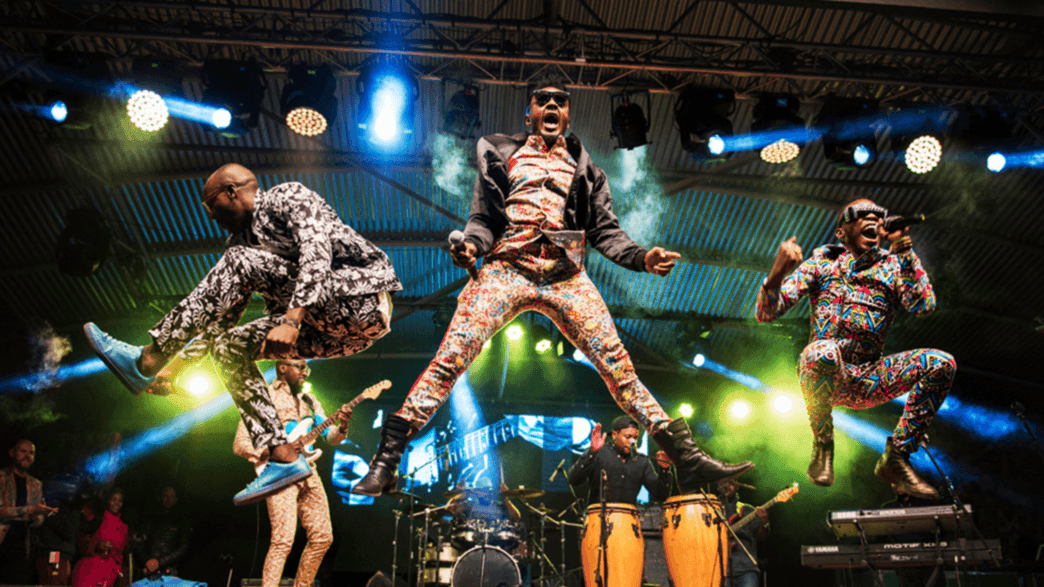
The South African music scene is a vibrant and dynamic industry that continues to grow, attracting both local and international talent. Whether you’re promoting a music festival, concert, or live performance, understanding key event statistics is crucial to driving success and engaging audiences. From ticket sales to attendee preferences, data-driven insights help promoters make informed decisions, maximize profitability, and improve overall event experiences.
In this blog post, we’ll explore some important local music event statistics that can help South African promoters stay ahead of the curve.
1. South African Music Industry Market Size
The South African music industry is thriving, with the local live music market alone generating significant revenue. According to a 2023 report by PwC, the local music industry is estimated to be worth over R2 billion (about $120 million USD). This includes live performances, recorded music sales, and streaming revenue. The growing popularity of local talent, combined with an influx of international artists touring in South Africa, has created a promising landscape for music promoters.
As a promoter, this expanding market presents numerous opportunities, particularly when it comes to hosting live events. It’s essential to understand the demographics of your audience, ticket pricing, and spending patterns to tap into this lucrative market.
2. Growth in Live Music Events
Live music events have been a major contributor to South Africa’s entertainment landscape. Post-pandemic, there has been a notable resurgence in live music attendance. According to statistics from Stats SA, live music events in South Africa have experienced a year-on-year increase of 15% in attendance, with festivals such as Cape Town International Jazz Festival and Rocking the Daisies drawing thousands of attendees annually.
This growth is driven by an increased interest in music festivals, local performances, and experiences that combine music with food, fashion, and lifestyle. As a promoter, this is the perfect opportunity to capitalize on the rising demand by hosting or partnering with established festivals and live music events.
3. Ticket Sales and Audience Preferences
Ticket sales are a key revenue driver for live events, and understanding your audience’s preferences is critical in maximizing ticket sales. Data from the South African Music Industry Association (SAMIA) reveals that the most popular genres for ticket buyers are hip-hop (34%), pop (28%), and electronic dance music (EDM) (20%). Local genres like Afrikaans music (12%) and kwaito also make up a significant portion of the market, reflecting the cultural diversity and variety of music preferences in South Africa.
Knowing which genres are trending allows promoters to book the right artists and tailor their marketing efforts to specific demographic groups. For example, if you’re promoting a hip-hop event, it may be beneficial to target younger audiences (ages 18-34) who are more likely to engage with this genre.
4. The Impact of Streaming and Digital Platforms
While live music events remain a central focus for promoters, streaming services have also played a crucial role in the music industry. As of 2022, more than 60% of South Africans aged 16-34 were reported to use music streaming services like Spotify, Apple Music, and YouTube. This trend is particularly important for event promoters as it allows for digital marketing and engagement with a broader audience.
Using data from streaming platforms, promoters can gauge which artists and songs are gaining traction in specific regions. These insights can inform decisions about event lineups and help tailor promotions to the most popular artists, ultimately driving more ticket sales.
5. Social Media and Event Promotion
In today’s digital age, social media plays a pivotal role in promoting music events. South Africa boasts over 25 million active social media users, with platforms like Facebook, Instagram, and Twitter being the most popular. Data from We Are Social shows that 85% of South African social media users engage with brands or events on social media, making it an essential channel for music promoters.
Promoters can use social media to generate buzz, interact with fans, and provide real-time event updates. Statistics also show that Instagram Stories and Facebook Events are particularly effective in driving ticket sales and increasing event attendance. By leveraging targeted ads, hashtags, and influencer partnerships, promoters can effectively reach their target audience and build anticipation for upcoming events.
6. Economic Impact of Music Festivals
Music festivals are not only a cultural asset but also a significant economic driver in South Africa. For instance, events like the Cape Town International Jazz Festival and Ultra South Africa have an impressive economic impact, contributing millions of rands to the local economy through tourism, hospitality, and ticket sales.
According to a 2022 study by The National Arts Council of South Africa, music festivals in the country generate R1.5 billion annually in direct economic impact, with attendees spending on accommodation, transport, and food. For promoters, this represents a wealth of opportunity in not just ticket sales, but also sponsorships, partnerships, and local collaborations.
7. The Role of Sponsorships and Partnerships
Sponsorships and brand partnerships are essential in enhancing the financial success of music events. According to SAMIA, over 30% of the revenue for large-scale music events in South Africa comes from corporate sponsorships. As a promoter, building strong relationships with local and international brands can provide much-needed financial support while also increasing brand visibility and credibility.
Promoting a unique brand experience or offering exclusive perks for sponsors can help attract these valuable partnerships. For instance, a branded stage, VIP access, or exclusive content on social media can incentivize sponsors to get involved with your event.
8. Local Talent Development: A Growing Trend
South Africa’s music scene is increasingly embracing local talent, with a significant rise in homegrown artists across various genres. The demand for local artists has led to a rise in music events specifically focusing on showcasing indigenous talent. According to recent statistics from Music In Africa, local artists make up 70% of performers at major music festivals, reflecting the growing appreciation for South African musical talent.
For promoters, supporting local talent not only aligns with market preferences but also helps grow the local music ecosystem. Booking and promoting emerging artists can also foster deeper connections with audiences, who may feel more connected to their local music scene.
Conclusion: A Bright Future for South African Music Events
South African music events are on an exciting trajectory, with the industry poised for even more growth. By understanding local music event statistics, promoters can make data-driven decisions that resonate with audiences, maximize profitability, and continue building the rich cultural landscape of South African music. From growing ticket sales to securing sponsorships and tapping into digital trends, the opportunities are endless.
As a promoter, staying informed on local trends, audience preferences, and industry growth will ensure you continue creating memorable, successful events that leave a lasting impact on the South African music scene.
Are you a South African promoter looking to elevate your next music event? Share your thoughts on how you’re leveraging local music event statistics and trends to boost your events!


