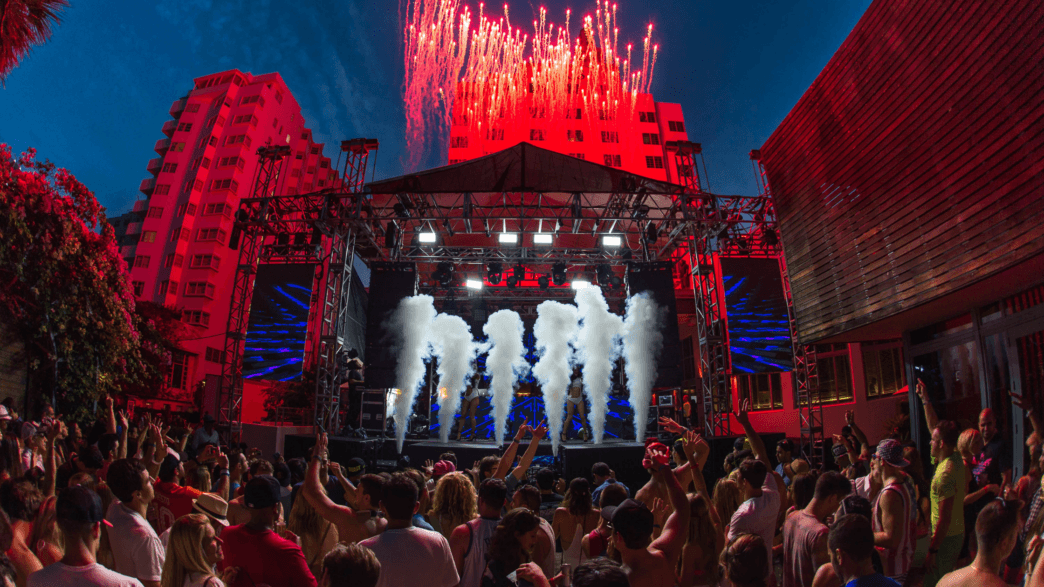
The event industry is on track for notable revenue growth in 2025, even as it grapples with persistent staffing and retention challenges. According to insights from the Meetings Industry Association (MIA), while opportunities for financial recovery and expansion are promising, workforce shortages continue to be a major roadblock. Industry leaders must navigate these challenges while capitalizing on strong demand for live events, evolving technologies, and shifting consumer expectations.
Revenue Growth Forecast for 2025
Despite economic uncertainties, MIA forecasts significant revenue increases across various sectors of the event industry in 2025. This optimism is driven by several key factors:
- Rising demand for in-person experiences: After years of disruptions due to the pandemic, businesses and consumers alike are prioritizing live events, conferences, and exhibitions.
- Expansion of hybrid and virtual event spaces: While in-person events are thriving, digital and hybrid formats continue to drive incremental revenue.
- Corporate investment in events: Companies are allocating higher budgets towards networking, employee engagement, and industry expos.
- International event growth: As global travel recovers, international conferences and business summits are experiencing a resurgence.
According to a report by Allied Market Research, the global events industry was valued at $1.1 trillion in 2019 and is projected to reach $2.3 trillion by 2028. The anticipation of continued momentum in 2025 aligns with this long-term industry expansion.
Ongoing Recruitment and Retention Challenges
While revenue forecasts are strong, the industry still struggles with recruitment and employee retention. A twofold issue persists: high turnover rates and difficulty attracting new talent.
Why Is Workforce Retention a Problem?
Several factors contribute to these challenges, including:
- Burnout and workload concerns: Event planning and execution remain high-stress professions, contributing to fatigue and attrition.
- Wage stagnation: Many workers seek competitive salaries and benefits, which some companies struggle to provide.
- Skills shortages: The industry requires specialized skills in event technology, logistics, and marketing, yet many professionals lack sufficient training.
A report by the U.S. Bureau of Labor Statistics indicates that job openings in the hospitality and event sector remain higher than pre-pandemic levels, with nearly 1.5 million unfilled positions as of early 2024.
Strategies to Overcome Workforce Challenges
Companies need strategic approaches to combat workforce shortages and enhance retention efforts. Recommended strategies include:
- Competitive compensation packages: Offering better salaries, flexible work environments, and career growth opportunities.
- Investment in training programs: Upskilling current employees and attracting emerging talent through mentorship programs.
- Adoption of event technology: Utilizing AI-driven event management tools to streamline operations and reduce stress on staff.
- Stronger company culture: Encouraging a healthy work-life balance and fostering an inclusive, value-driven workplace.
Opportunities Driving the Industry Forward
Despite staffing difficulties, exciting opportunities abound in the event sector. A few of the most impactful trends shaping the future include:
1. Growth of Experiential Marketing
Event experiences are now a critical component of marketing strategies. Brands increasingly invest in immersive activations, pop-up experiences, and live brand engagements to capture consumer interest. According to Statista, the global experiential market is projected to grow to $34.9 billion by 2030.
2. Green and Sustainable Events
Environmental considerations are becoming a non-negotiable aspect of event planning. Sustainable practices, such as carbon-neutral venues, zero-waste catering, and responsible sourcing, are crucial for future growth.
3. AI and Automation in Event Management
Artificial Intelligence (AI) is transforming event planning by enhancing efficiency. From chatbots assisting attendees to automated registration systems, technology is reducing the burden on human staff.
4. The Role of Hybrid Events
While in-person event demand increases, hybrid events continue to create revenue avenues. A report by Grand View Research predicts that the global virtual events market will grow at a 23.7% CAGR from 2023 to 2030, proving its staying power.
Final Thoughts: Balancing Growth and Workforce Solutions
The event industry is entering a transformative phase, with 2025 set to bring significant revenue opportunities. However, hiring and retention challenges must be addressed to sustain and maximize this growth. Organizations that prioritize workforce well-being, technological innovations, and customer experience will be well-positioned to thrive in the evolving landscape.
As businesses navigate these complexities, fostering a strong talent pool while leveraging future trends will be key. By embracing change, the event industry is poised to reach new heights despite its workforce hurdles.
13 Innovative Corporate Event Ideas to Boost Engagement & Maximize ROI in 2025
Corporate events are evolving rapidly, and in 2025, organizations must be more creative and strategic than ever to captivate attendees. Whether you’re organizing a conference, sales kickoff, or team-building retreat, your goal should be to engage participants while maximizing your return on investment (ROI). According to Eventbrite, 75% of event marketers say in-person experiences are their most effective marketing channel.
To help you stay ahead of the curve, we’ve curated 13 innovative corporate event ideas that will drive engagement and ensure a successful event.
1. Hybrid Experiences for a Global Audience
With the rise of remote and hybrid work models, events that blend in-person and virtual elements continue to gain traction. A study by Markletic found that 71% of event organizers believe hybrid events lead to higher engagement.
- Use interactive tools like live Q&As, polls, and networking rooms.
- Offer on-demand content for attendees who can’t join live.
2. AI-Powered Personalization
AI-driven event platforms can tailor attendee experiences based on their interests, making events more relevant and engaging. Features like personalized agendas, AI matchmaking for networking, and tailored content recommendations increase overall satisfaction.
3. Immersive and Interactive Workshops
Traditional panels are being replaced with experiential learning sessions. Companies are leveraging:
- Gamification (e.g., escape rooms, scavenger hunts)
- Hands-on training with real-world applications
- AR/VR experiences to simulate complex scenarios
4. Eco-Friendly and Sustainable Events
With climate change at the forefront, sustainable event planning is crucial. Consider:
- Venues with green certifications
- Paperless registration and digital materials
- Locally sourced, plant-based catering options
5. Celebrity and Industry Influencer Appearances
Bringing in influential speakers adds credibility and excitement to your event. According to a report by Insider Intelligence, 89% of professionals say high-profile speakers increase attendance.
- Consider a surprise guest to generate buzz.
- Host live podcasts or fireside chats with thought leaders.
6. Interactive AI and Chatbot Assistance
Leverage AI-driven chatbots to provide instant support and enhance attendee engagement. AI tools help with:
- Real-time event navigation
- Personalized session recommendations
- Automated reminders and updates
7. Wellness and Mindfulness Experiences
Burnout is a major concern for employees. According to the American Psychological Association, 79% of workers experience job-related stress. Combat this by integrating wellness activities into your event, such as:
- Guided meditation and yoga sessions
- Mental health and productivity workshops
- Healthy meal and snack options
8. Corporate Social Responsibility (CSR) Initiatives
Attendees appreciate events that give back to the community. Try incorporating:
- Charitable team-building activities
- Fundraisers for local causes
- Volunteer opportunities during the event
9. Augmented Reality (AR) and Virtual Reality (VR) Enhancements
Immersive technology drastically improves engagement. Utilize AR/VR for:
- Virtual venue tours
- Product demos and interactive exhibits
- Onboarding experiences for new employees
10. Experiential Networking and Speed Sessions
Corporate networking events need to be unique to keep attendees interested. Consider:
- Speed networking with structured prompts
- Breakout sessions based on industry, job role, or interest
- AI matchmaking based on attendee preferences
11. Themed Events and Company Culture Showcases
Bring excitement with unique themes that celebrate your company’s culture. Some ideas include:
- Hollywood-style galas
- Tech and innovation expos
- Cultural appreciation nights
12. AI-Powered Event Analytics for Post-Event Insights
Data-driven decision-making is key to maximizing ROI. Utilize AI analytics to:
- Track attendee engagement per session
- Analyze feedback in real time
- Optimize future event planning
13. Exclusive VIP and Members-Only Experiences
Creating a premium tier for some attendees can enhance perceived value. Consider:
- VIP lounges with exclusive networking opportunities
- Personalized one-on-one time with keynote speakers
- Special behind-the-scenes event tours
Final Thoughts
As corporate events continue to evolve, adopting innovative and experiential strategies will ensure that your attendees stay engaged. Whether incorporating AI, prioritizing sustainability, or curating VIP experiences, the key to successful events in 2025 will be customization, technology, and interactive engagement.
Are you ready to revolutionize your corporate gatherings? Start implementing these ideas today to drive engagement, enhance brand loyalty, and maximize your event ROI!