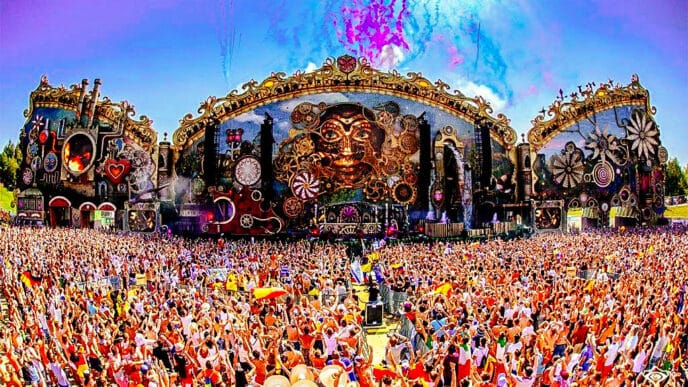
Culture and the arts are powerful drivers of sustainable development, fostering creativity, inclusion, and economic opportunity. In Southern Africa, arts and cultural festivals play a crucial role in shaping social narratives, preserving heritage, and generating economic growth. UNESCO has launched a Call for Expressions of Interest to harness the potential of these festivals, aiming to create a more sustainable and impactful creative economies.
The Role of Arts and Cultural Festivals in Southern Africa
Southern Africa is rich in cultural diversity, boasting a vibrant arts scene that reflects its unique history, traditions, and contemporary expressions. Cultural festivals provide a platform for artists, musicians, dancers, and storytellers to showcase their work while contributing to the region’s overall development. These festivals serve three key purposes:
- Economic Growth: Festivals stimulate local economies by attracting tourists, creating jobs, and supporting creative industries.
- Social Cohesion: They encourage dialogue among diverse communities, fostering peace and unity.
- Preserving Heritage: Arts and cultural festivals help safeguard indigenous traditions, languages, and artistic expressions against globalization’s homogenizing effects.
In countries like South Africa, Botswana, Zambia, and Mozambique, cultural festivals such as Harare International Festival of the Arts (HIFA) and Lake of Stars Festival generate millions in revenue and contribute to global recognition of the region’s creative landscape.
UNESCO’s Initiative: Supporting the Sustainable Growth of Festivals
UNESCO’s Call for Expressions of Interest aims to engage stakeholders—including festival organizers, cultural institutions, and policymakers—to explore how festivals can be structured for long-term sustainability. This initiative focuses on:
1. Capacity Building for Creatives
UNESCO seeks to equip artists and festival organizers with skills such as:
- Fundraising and resource mobilization
- Marketing and digital promotion
- Event management and sustainability planning
2. Strengthening Cultural Policy Frameworks
Governments in Southern Africa recognize the economic potential of cultural festivals, yet many lack structured policies to support them effectively. UNESCO’s initiative will help craft policies that:
- Ensure equitable access to funding and resources
- Incentivize cross-border cultural collaborations
- Integrate environmental sustainability practices within festival operations
3. Promoting Digital Transformation
With the rise of technology, digital platforms have become a critical tool for festival outreach. Expanding online visibility through streaming services, digital ticketing, and social media engagement is essential for:
- Reaching a global audience
- Enhancing revenue streams
- Providing virtual experiences for those unable to attend physically
Economic Impact of Cultural Festivals
The economic value of the creative industries in Africa cannot be overstated. According to the UNESCO “Cultural and Creative Industries in Africa” report, the sector contributes approximately $58 billion to Africa’s GDP and employs over 10 million people. Cultural festivals alone generate:
- Tourism revenue from local and international visitors
- Employment opportunities for artists, performers, vendors, and organizers
- Increased sales for food, transport, and hospitality industries
For example, South Africa’s National Arts Festival in Makhanda generates an estimated $14 million annually, attracting thousands of visitors worldwide.
Challenges Facing Cultural Festivals in Southern Africa
Despite their potential, many cultural festivals in Southern Africa face significant challenges:
1. Funding Constraints
Many festivals struggle with limited financial support, relying on short-term sponsorships that do not guarantee sustainability. UNESCO’s initiative will explore new models of revenue generation, including:
- Public-private partnerships
- Government grants
- Innovative crowdfunding solutions
2. Lack of Infrastructure
Some festival venues in Southern Africa lack adequate infrastructure, such as proper staging, security, and sanitation facilities. Enhancing these logistical aspects will improve the quality and safety of festivals.
3. Access to Global Markets
While creativity flourishes in Southern Africa, artists and cultural professionals often struggle to access international markets. UNESCO’s initiative will foster:
- Artist exchange programs
- International festival collaborations
- Global marketing and branding strategies
How to Get Involved
UNESCO’s Call for Expressions of Interest invites various stakeholders to contribute, including:
- Festival organizers
- Government cultural departments
- Artists and performers
- Academics and researchers in cultural industries
By participating, stakeholders will play a role in shaping policies and strategies that ensure the long-term success of cultural festivals in Southern Africa.
Conclusion: The Future of Cultural Festivals in Southern Africa
Empowering Southern Africa’s cultural festivals is a vital step toward achieving economic resilience and cultural preservation. UNESCO’s initiative serves as an opportunity to redefine how these festivals operate, ensuring that they are not only celebrations of creativity but also engines of sustainable development.
As the arts and culture sector continues to grow, investing in festivals is an investment in the region’s cultural identity, economic progress, and social cohesion. Interested stakeholders are encouraged to respond to UNESCO’s Call for Expressions of Interest to drive this transformation forward.
Are you ready to contribute to the future of Southern Africa’s cultural festivals? Visit UNESCO’s official page for more information on how to participate.
“`